

About the material
The kings and rulers all over the world appreciate material. King Aleksey Mikhaylovich, father of Peter the Great in the middle of the 17th century introduced state monopoly on mammoth ivory. On his initiative the extraction and supply of mammoth ivory in bone-cutting workshops of Kholgator and Moscow (Armouries) gained constancy. Peter The First, who is personally fond of crafts, cut out snuffbox from mammoth bone. This material also liked foreign masters; among the export products from Russia to the West traditionally were bones of the dead animal.
The only permitted
Nowadays mammoth ivory is the only highly appreciated bone material which is allowed for extraction and use. Ivory of the elephants which is well known as bone of elephant is transferred to the list of the forbidden materials. The same decisions were accepted referring to the tooth of the cachalot (connected with the total refuse of the hunt on the whale) and tusk of walrus (extracting by the northern proples in little quantity).
Elk horn and spindle (tubular femoral bone of big animals) can’t give visual effect, in comparison with the products made of the mammonth bones. Internal luminescence of figures, warm nuances of live body, unrivaled pliability of the smallest details - these are only several dignities which are inherent to ivory of the mammonth.
Universality, nobility, uniqueness
Physical features of the mammonth ivory are also unique. Modern technologies are only trying to create substances by properties near to the natural bones of the mammoth. Allowing the thinnest elaboration of the details, giving the opportunity of creating the illusion of drapery of falling clothes, the ivory of the mammonth deserves the most demanded material for carving bones.
Especially in demand the homogeneous structure of the mammoth ivory. Uniformity of the colour of the array of bone, lack of cracks and other defects gives the opportunity to the artist to create without fear of the quality of the material.
But the integrity of the array of the mammonth bone today is rare and the defects on the material made the artist to be more creative in the composition which gives more dignity to the sculpture.
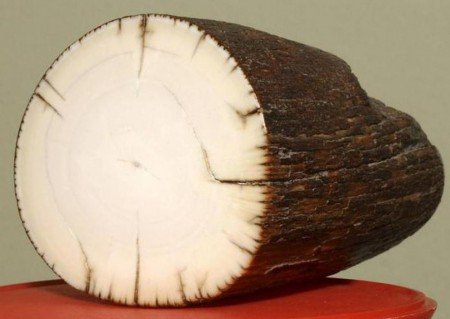
It is known that in the Northern part of Russia there are more than 500 hundred thousands tonns of the ivory. Nevertheless the prices of the product from them costs very expensive. There are several reasons for that. Firstly, whole, good preserved ivory happened very rarely, often prospectors happened broken and damaged as well as splinter of the ivory which divides into parts like damp wood. Secondly, the rest of the mammonth mostly are situated in the deserted places; on island, where it is possible to get on the helicopter; in tundra, where there are no any live through thousands kilometers. Taking into consideration the fact that the weight of the ivory can be more than 100 kilograms, the length 4 meters it is easy to imagine how much will be the shipping.
The important fact is that the carving of the bone, including the bone of mammonth is done by hand and the ornaments made from them are regarded as author’s piece of art. All this explains the prices for the mammonth figure which can cost thousands of dollars.
The ivory of the mammonth, in fact, is unique material which has no analogs. It is more solid than the bone of the elephant and which is also important has unique colours.
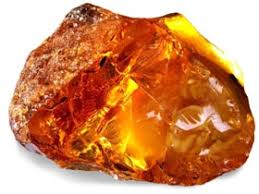
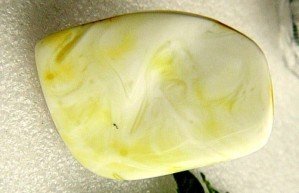
During the thousands of years the ivory underwent gradual mineralization and got different colours from pink and orange to brown and purple due to the fact that they were under the Earth thousands years. This colour can’t be imitated.
For appearing multi-coloured streaks and interspering in the bone of the mammonth needed hundreds of years during which ivory were in the soil soaked moisture and coloured with minerals.